Is El Salvador safe to travel? Your questions, answered
Straight answers about safety, travel, the program and what to bring. If your question isn’t here, ask us when you apply.
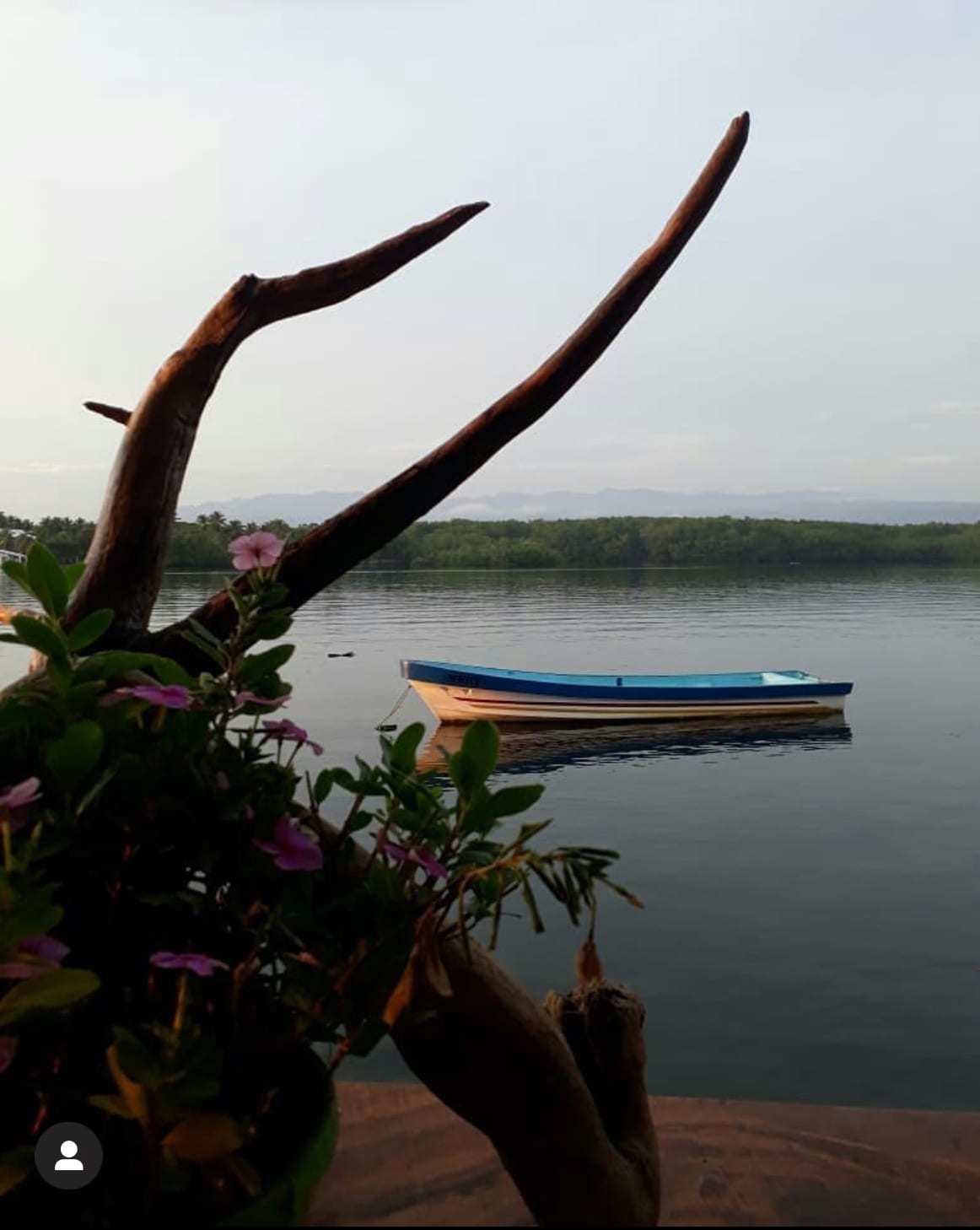
Barra de Santiago, El Salvador · Photo: Gabriela Donado, CC BY-SA 4.0

Safety
Is El Salvador safe to travel to?
El Salvador has changed a great deal in recent years. Violent crime has fallen sharply, and the country now welcomes a growing number of surfers, backpackers and tourists. No destination is risk-free, so we recommend checking your government’s current travel advice before you book (for US citizens, that’s the State Department’s travel advisory for El Salvador). On our side, the founders live in the house with you, we know the community, and we brief everyone on arrival about local laws and customs, ocean safety and getting around. You can reach us 24/7.
How do you keep volunteers safe in the water?
Snorkel training starts in the calm natural pools before anyone heads out to the wider reef. We work in buddy pairs, check tides and conditions every day, and cancel water activities when conditions aren’t right.
Do I need travel insurance?
Yes. You’ll need travel and medical insurance that covers your whole stay and the activities you’ll do, including snorkeling, and diving if you add it.
Visas and getting here
Do I need a visa?
Citizens of the US, Canada, the UK and EU countries generally don’t need a visa for a short tourist stay, though some nationalities pay a small entry fee on arrival. El Salvador is part of the CA-4 agreement with Guatemala, Honduras and Nicaragua, which usually allows up to 90 days across the four countries. Your passport should be valid for at least six months. Entry rules change, so check your government’s guidance, and we’ll confirm what applies to your nationality when you apply.
How do I get to Los Cóbanos?
Fly into El Salvador International Airport (SAL), near San Salvador. There are direct flights from Houston and Miami, which is where most volunteers connect. Los Cóbanos is about 1.5 hours from the airport by road, and we’ll help you plan your transfer before you arrive.
What currency is used?
El Salvador uses the US dollar, so there’s no need to change money if you’re coming from the US. Cards work in larger towns, but carry some cash for small shops and local transport.
Do I need to speak Spanish?
No, the program runs in English and Spanish. Learning a few basics before you come will make a big difference in the community, and you’ll pick up more while you’re here.
The program
Do I need experience?
No. Training is provided, starting with orientation and species ID in your first week. You should be comfortable swimming in the ocean.
How old do I need to be?
18 or older.
Can I come on my own?
Yes. Most volunteers travel solo. Groups are small, and you’ll live and work together, so you won’t be on your own for long.
How many hours will I work?
Conservation activities, about 20–30 hours a week depending on the season. Weekends are free.
When can I see sea turtles and whales?
Both are seasonal. Turtle nesting and hatching happen at certain times of year, and humpback whales pass the coast in season. Reef work runs year-round. Tell us your dates and we’ll tell you what to expect.
Can I earn university credit?
We’re working on academic credit options. If you need credit, mention it in your application and we’ll tell you what’s possible and what paperwork we can provide.
Money
How much does it cost?
Prices depend on how long you stay. See our pricing page for program fees (meals included) and everything that’s covered.
What does my fee pay for?
Your housing, home-cooked meals, training, field activities, our 24/7 support on site and the costs of working with local conservation projects. Flights, insurance and weekend trips aren’t included.
What about food?
Meals are included. The founders cook home-made meals at the house, and you can tell us about dietary needs after you’ve booked.
Packing
What should I pack?
Reef-safe sunscreen, a long-sleeved rash guard, water shoes for the rocky shore, a hat and sunglasses, a refillable water bottle, a headlamp with a red-light setting for turtle work, light quick-drying clothes, a rain jacket for the wet season, insect repellent and any medication you need. Bring your own mask and snorkel if you have ones that fit well.
What’s the weather like?
Warm all year. The dry season runs roughly from November to April, and the rainy season from May to October, when afternoon storms are common.
Still have questions?
Ask us in your application, and we’ll get back to you personally.
Ready to get in the water?
Our first group starts on April 5, 2027 (date to be confirmed), with room for only 6 volunteers.